

With 60% of web searches ending without a click, here is how to adapt your strategy so AI assistants cite your brand instead of ignoring it.
When monitoring how major AI assistants select sources to ground their responses, a clear pattern emerges that challenges traditional content optimization. Possessing brand authority built over years is no longer enough on its own. That authority must also be easily readable by large language models.
Our team has focused heavily on this shift, and the results delivered across industrial B2B, healthcare, and fintech sectors show that the rules of search have changed. Generative AI does not simply pick the longest article or the domain with the most backlinks.
Instead, language models prioritize extractability: how effortlessly a specific piece of information can be isolated, verified, and attributed to a credible source. This explains why platforms like Wikipedia, Reddit, and long established institutional sites appear so frequently in generative citations. They provide AI models with clear, modular info blocks ready for instant extraction.
The geography of credibility: where AI really fetches information
A striking insight from recent industry data reveals that the average domain age of top sources cited by ChatGPT is 17 years. Generative engines strongly favor established entities with a proven track record across the web.
This bias reflects an algorithmic preference for structural predictability rather than a rejection of newer sites. The longer a domain maintains consistent quality standards and clean site architecture, the higher the trust score assigned by the language model.
In practice, companies that have maintained active corporate blogs for over a decade with well structured data often secure frequent AI citations. By contrast, competitors with superior technical writing published on newer or less structured domains frequently get overlooked.
The end of click traffic and the rise of zero click searches
Roughly 60% of Google queries now finish without a single user click. Readers get their answers directly from the generative overview and complete their research right there.
For brands relying solely on traditional search traffic, this transition poses a major challenge. However, for organizations mastering ChatGPT SEO and Generative Engine Optimization (GEO), it presents an unprecedented opportunity to become the primary cited source rather than just another link in a list.
Winning in this environment requires a core strategic pivot: optimizing for direct citation rather than just the click. This means restructuring pages so the direct answer appears within the initial reading block. Generative models naturally pull statements from paragraph leads and self contained sections like bulleted lists or clear definitions.
Schema markup: the essential layer most sites implement incorrectly
A common misconception in digital marketing is treating schema markup (JSON LD) as an optional technical recommendation. For Answer Engine Optimization (AEO), structured data is just as critical as the main headline.
Unlike standard web crawlers, AI models require explicit semantic clarity. They depend on structured data organized into specific entities such as FAQ Page, Article, or Product.
A website can feature stellar insights and top tier performance yet remain invisible to AI models without proper markup. Implementing accurate schema translates your page into a format machines read effortlessly, drastically boosting your citation rate without changing your core editorial message.
How to optimize content for AI recommendations: our core methodology
When clients ask how to optimize content for AI recommendations, we apply a strategic framework built on three primary pillars that extend far beyond standard SEO:
- Front loaded response structure: Each major section must open with a direct answer to the user query. Deeper context, nuances, and supporting arguments follow immediately after. This structure allows models to grab the precise snippet needed.
- Verifiable entity authority: Assigning content to clear, real world authors with public credentials builds verifiable entity trust. Writing under a real profile like “Jane Doe, Senior Systems Engineer” carries far more weight with language models than publishing under a generic brand handle.
- Perpetual content curation: Generative engines actively penalize outdated statistics. A rigorous content optimization process involves regularly updating historical pieces with fresh data points, recent case studies, and modern references to signal continuous relevance.
5 strategic actions to increase your AI citation frequency
While every digital footprint requires tailored adjustments, any organization can apply these core practices to make their publishing framework more extractable:
1. Deliver direct answers in the opening paragraph
AI engines prioritize text blocks that immediately resolve user intent. State your core conclusion in two or three concise sentences before expanding on technical details. This design serves both human readers and machine extractors.
2. Build standalone content modules
Avoid long narrative paragraphs that rely heavily on previous sections for context. Create modular subtopics featuring bullet points, clear definitions, or concise tables that function as self contained answers.
See how a modular layout improves extraction:
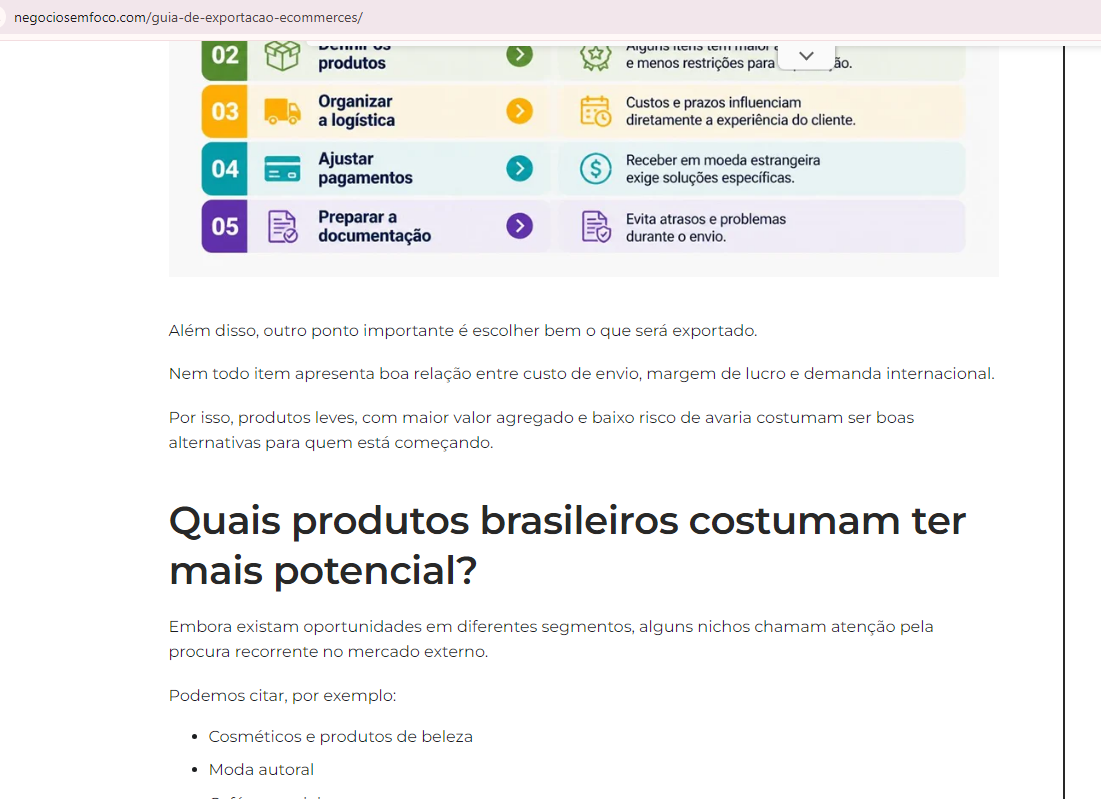
Using dynamic visuals, short paragraphs, clear section titles, and organized lists creates a seamless reading experience for users while making data points instantly available to generative models.
3. Position your brand as an original data source
Re-hashing third party research limits your citation potential. To earn high value citations, publish proprietary research assets such as:
- Industry surveys and market reports
- Real world case studies
- Internal data benchmarks
- Unique frameworks and methodologies
Exclusive data points make your domain an indispensable reference for both human publishers and AI systems.
4. Upgrade technical page architecture
Formatting roadblocks can hinder even exceptional writing. Ensure every published URL includes:
- Accurate Schema.org classification
- Clean heading hierarchies (H2 and H3 tags)
- Descriptive URL paths
- Clear last updated timestamps
- Verified author bios and contextual image alt text
These structural elements help language models map your content accurately during parsing.
Notice how clear formatting aids both human comprehension and automated reading:
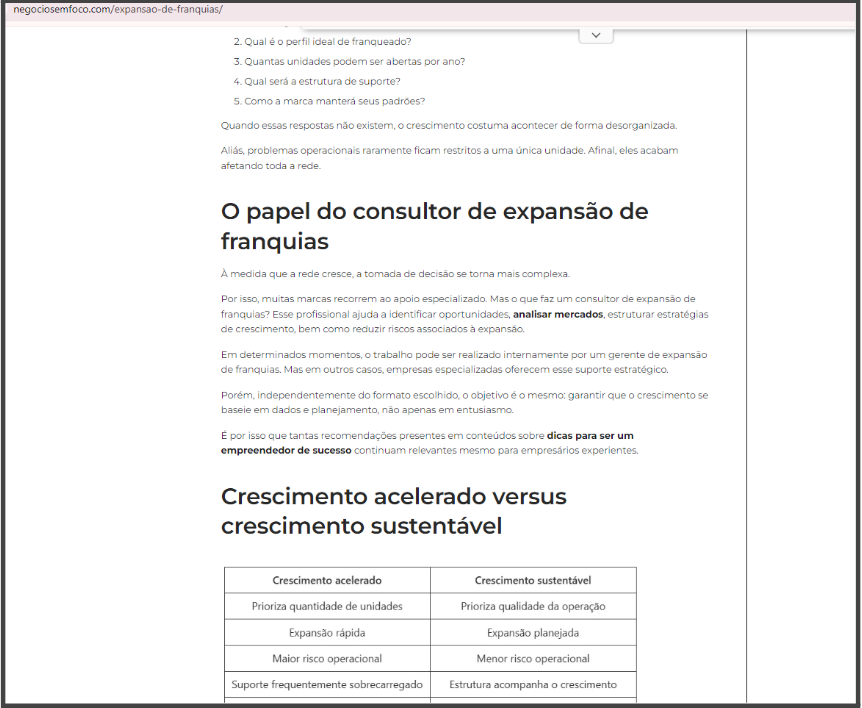
Combining concise tables with clear headings and bulleted summaries creates an ideal environment for rapid data parsing.
A growing share of digital authority will be measured beyond traditional analytics dashboards. In addition to monitoring standard visits, track:
- How often your brand name appears in AI generated answer blocks
- Which specific URLs are cited as underlying sources
- The exact prompts that surface your organization
- Competitive citation overlap across key industry topics
This tracking highlights where your brand holds established authority and where structural adjustments are still required.
Checklist: is your content ready for AI extraction?
Before pushing any new page live, run through these four practical checks:
- Does the primary answer appear right at the beginning of the section?
- Is author expertise clearly documented with supporting credentials?
- Does the page contain unique data or specialized insights hard to replicate elsewhere?
- Can an AI model extract key facts without needing to interpret ambiguous context?
- If you answer no to any of these questions, refine the structure to improve machine extractability.
The transition to an answer driven search ecosystem
Success in modern search is no longer about winning a single ranking link on a page. The new imperative is building a structured content ecosystem that language models recognize as an authoritative source for generating answers.
Unlike traditional search, where websites fight for fixed top spots, Answer Engine Optimization (AEO) and Generative Engine Optimization (GEO) operate in a dynamic environment. Because AI tools generate custom responses for every query, well structured brands have endless opportunities to earn direct citations.
Establishing your footprint early ensures your business remains the go to reference as generative search continues to evolve.