
Boosting your online visibility does not always require pumping out brand new articles. More often than not, the real growth lies in refining and updating the content you already have.
Improving your search rankings does not always mean writing everything from scratch. In fact, consistently updating existing articles often yields far better returns on your time and effort. Information that performed well a few years ago may now be outdated due to new industry shifts, updated data, or search engine algorithm tweaks that quietly pushed your pages down the rankings.
Older posts usually have an advantage: they already hold accumulated domain authority, backlinks, and search history. Refreshing these pages breathes new life into high-value digital assets while requiring significantly less work than creating entirely new pieces.
Executing this strategy effectively starts with a clear plan. A well-executed content auditing reveals exactly which articles deserve an update and which ones should be retired or redirected.
Here is how you can revamp your publications, align with search intent, and drive new organic traffic to your site.
The power of continuous content updates
Treating your published content as evolving assets rather than one-time projects is essential for maintaining search relevance and audience trust. As new research, statistics, and industry trends emerge, your articles need to reflect those changes to stay competitive.
Ongoing updates preserve authority, extend content longevity, and build sustained organic performance. Even evergreen articles lose momentum over time if left untouched.
Keeping pages current requires updating figures, repairing broken links, and adding modern real-world examples. This consistent maintenance sends a strong signal to both readers and search engines that your platform provides accurate, reliable insight. Search algorithms consistently favor content that is fresh, accurate, and actively maintained.
Aligning keywords with search intent
When reviewing older articles, evaluate whether the targeted terms still match how users search today. Search terms that once generated high search volumes may have dropped off as new variations, phrases, or queries took over.
Updating your content allows you to naturally integrate semantic variations, answer emerging user questions, and incorporate long-tail keywords.
Updating your H2s, H3s, meta descriptions, and page titles ensures your content aligns with current user expectations and modern search engine requirements.
Consider this real-world example from our own workflow, where we refresh key seasonal articles annually by updating the target year, introducing fresh context, and optimizing user intent:
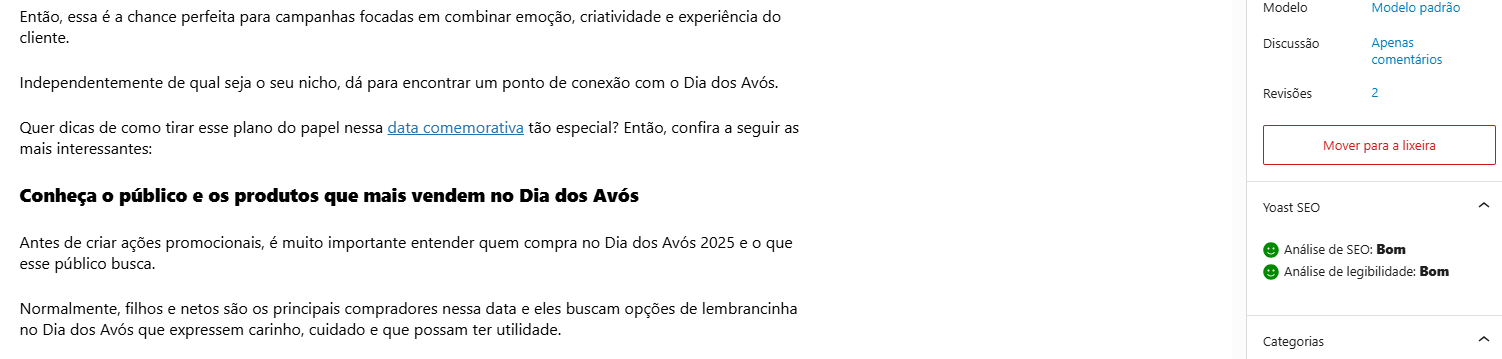
Example: A seasonal lifestyle post optimized for “Grandparents Day 2025” underwent annual target keyword updates, structural formatting cleanups, and new contextual additions to preserve top search rankings year after year.
By introducing updated data and refining core SEO elements, we significantly enhanced user experience while preserving the page’s accumulated authority.
Improving readability and content structure
Older publications frequently suffer from wall-of-text formatting, poor spacing, missing subheadings, and a lack of engaging visuals. These issues create a friction-filled reading experience for human visitors and make it harder for AI crawlers to parse key concepts.
When conducting a content refresh, focus on structural improvements:
- Clear, descriptive headings: Use logical H2 and H3 tags to organize ideas.
- Scannable paragraphs: Break long blocks of text into digestible, 2 to 3 sentence sections.
- Structured lists: Use bullet points, numbered lists, and key callout boxes to highlight critical takeaways.
- Engaging media: Embed charts, infographics, video walkthroughs, or relevant screenshots to modernize the layout.
Improving readability lowers bounce rates, increases time on page, and delivers strong quality signals to search engine algorithms.
Visual layout standard: Short paragraphs, clear bullet lists, and strategically placed visual assets ensure visitors instantly find what they need.
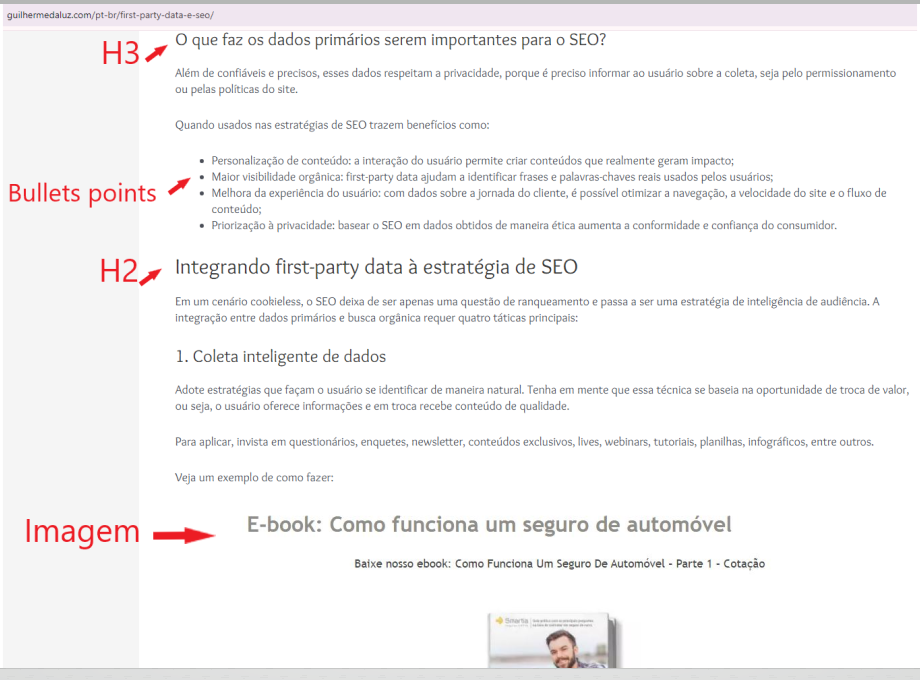
Structuring information cleanly makes it easier for users to digest key details while allowing search engine crawlers to parse your page context seamlessly.
Content repurposing and the SEO refresh
A major advantage of an SEO refresh is the ability to adapt core content into multiple marketing formats without losing its foundational value.
For instance, a comprehensive long-form article can easily be transformed into:
- A concise video breakdown for YouTube or social media
- A visual infographic or reference cheat sheet
- A multi-part social post series highlighting tactical takeaways
- A podcast episode discussing the article’s main themes
Repurposing expands your audience reach across multiple channels and significantly extends the lifecycle of your original research. Re-indexing updated content also prompts search engines to crawl your pages faster, helping your updated posts climb back up search engine results pages (SERPs).
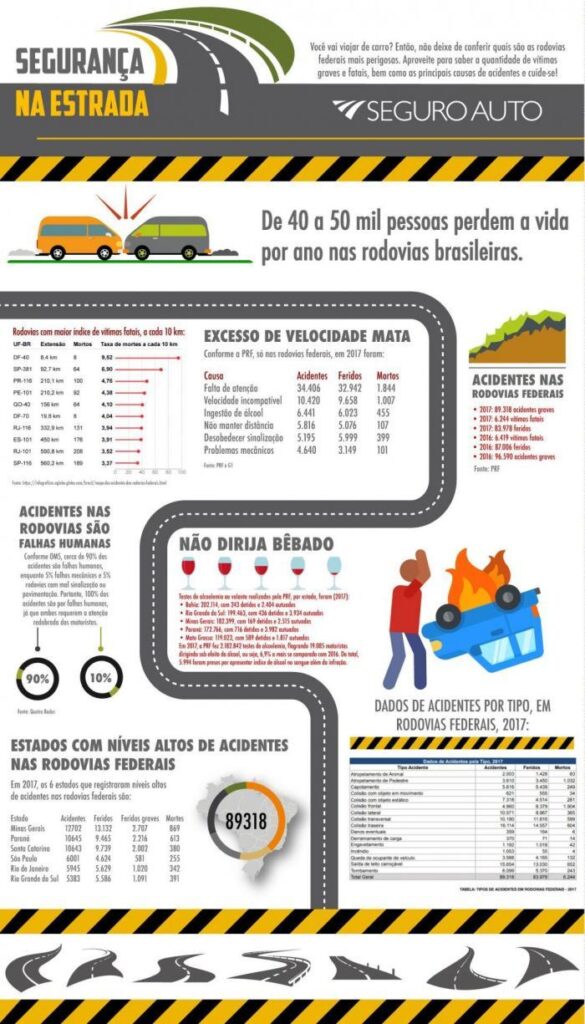
Infographic visual highlight: Visual summaries, such as custom infographics created for platforms like SeguroAuto.org, make complex topics immediately digestible while creating shareable assets that attract natural backlinks.
Determining the ideal update frequency
While update schedules depend on your niche, reviewing core articles every 3 to 4 months provides a solid operational rhythm. This interval allows you to:
- Incorporate new tools, updated industry benchmarks, or fresh data points
- Audit performance metrics and address keyword decay
- Refine tone, update out-of-date references, and fix broken links
- Identify new repurposing opportunities across active marketing channels
Establishing a regular review schedule signals to Google and your audience that your site is actively maintained, preventing high-performing content from quietly slipping into obsolescence. A reliable approach is establishing a quarterly review process for critical revenue-generating posts, combined with an annual audit for broader site archives.
Knowing what to update vs. what to prune
While content refreshes yield great results, not every post is worth saving. Use these criteria to decide whether to update, merge, or delete:
- Severe obsolescence: Articles covering discontinued tools, legacy software, outdated regulations, or obsolete practices should either be completely rewritten or pruned.
- Shifting search intent: If user intent for a target topic has evolved significantly, adapt your approach. Turn older posts into interactive guides, short video walkthroughs, or modern expert roundups.
- Low performance and thin content: Vague, thin, or poorly written posts that never gained traction should be archived, redirected, or consolidated into larger, definitive resources.
Best practices for adding an “Updated” stamp
When you launch a major update, make sure search algorithms and readers notice. Add a clear, visible timestamp near the top of the page, such as “Updated on [Month/Year]”.
This clear timestamp delivers two main benefits:
- It builds immediate trust and reader engagement.
- It improves click-through rates (CTR) in search results.
Make sure your timestamp reflects real, meaningful improvements. Search engines can penalize sites that update publication dates without making substantive changes to the text, images, or underlying data.
Revitalize your content strategy
Strategically updating and repurposing existing articles is one of the most cost-effective ways to strengthen search visibility, engage new audiences, and maximize content ROI.
Ready to turn your older articles into consistent sources of traffic and conversions? Start auditing, updating, and transforming your content library today.